
The mantra “meeting patients where they are” has long been second nature to California’s public health care systems. But as significant demographic, policy, and funding changes take shape, systems are increasing their focus on meeting patients where they will be.
The needs ahead are clear: More people will lose Medi-Cal and turn to public health care systems for care. More moms, babies, and families could miss critical services. More people will turn to emergency departments as their first port of call. More older adults with low incomes and complex health needs will need support. And more hard-won equity gains could be at risk.
In this issue, you will see how systems are preparing for that future now. In workshops, forums, and webinars, SNI is working alongside systems in their current efforts to:
- Rebuild local indigent care programs
- Advance maternal and child health quality improvement
- Strengthen older adult care
Across these areas, systems are striving to meet these growing needs when already-limited resources are becoming even more constrained. That is why SNI has been bringing members together with experts and one another to identify practical ways to sustain and improve care in this environment, with an upcoming focus on primary care access.
Of course, all of the above is an enormous challenge. But we also have proof that systems’ painstaking work to improve quality pays off for patients.
In the latest results from the state’s Quality Incentive Pool (QIP), patients received about 35% more public health care services that are tracked through the program from 2023 to 2024.
Behind those patient gains is a question one winner posed at last year’s Quality Leaders Awards, and it has stayed with me because it captures what drives so much of this progress: “Can we do more for them?”
Even under growing pressure, public health care systems keep asking that question. They keep anticipating what patients will need next and preparing to meet them there.
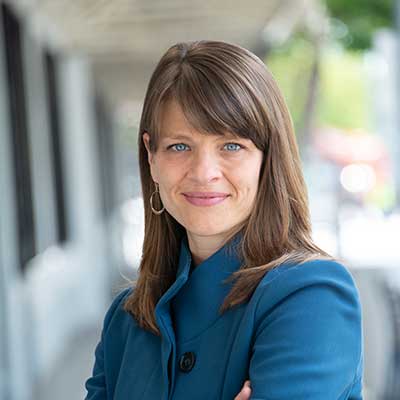
Giovanna Giuliani
Executive Director
California Health Care Safety Net Institute
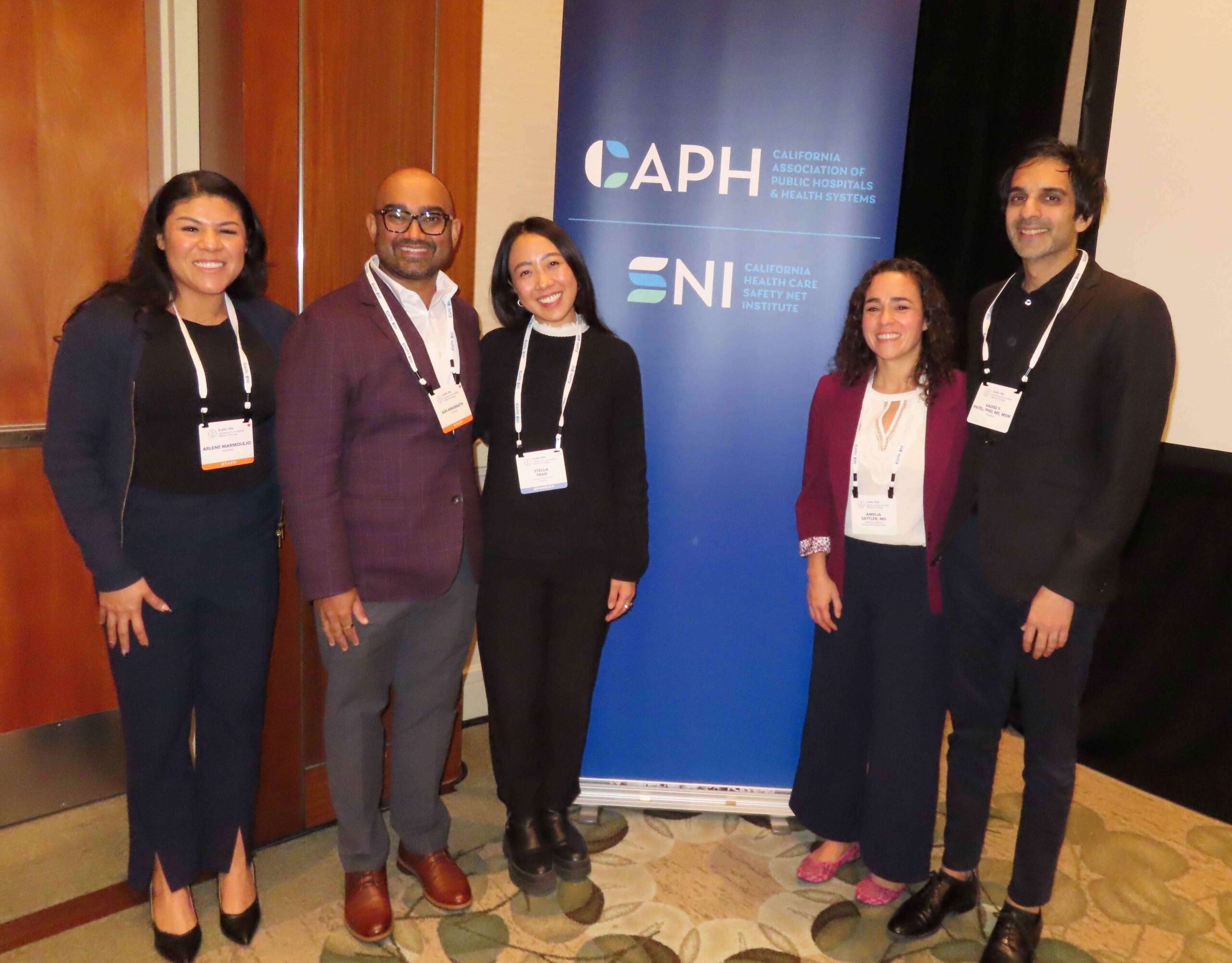
P.S. We’re excited to announce that our 2026 CAPH/SNI Annual Conference will take place December 2-4 in Napa. Registration opens next month!
As always, we’ll be celebrating the winners of our Quality Leaders Awards at the conference. If you’re a public health care system advancing high-quality, equitable care for Californians, please apply for a QLA.
New focus: rebuilding indigent care
The number of Californians who are uninsured will likely double to four million by 2030, according to the state’s Legislative Analyst’s Office. The office attributed most of the increase to H.R. 1 eligibility changes.
Consistent with both their mission and legal mandate, public health care systems are preparing to serve these newly uninsured patients, as well as more people who may be increasingly unable to pay for care.
That preparation includes reassessing local indigent care programs, which help organize care for county residents with limited or no insurance. Many of these programs were reduced or lapsed after the Affordable Care Act expanded coverage and more people became insured.
Rebuilding or strengthening indigent care programs is a significant undertaking. Systems and counties need to work together to determine who qualifies, what services are covered, and how care is paid for.
To help leaders answer these questions, SNI has partnered with the County Health Executives Association of California (CHEAC) to organize Indigent Care Forums. In these forums, system and county leaders meet regularly to discuss legal, financial, and operational considerations for indigent care programs.
In addition to this work with CHEAC, SNI will continue to create peer learning opportunities for member systems as they revitalize these programs. We will also bring systems together to share strategies around eligibility and enrollment efforts so patients can retain Medi-Cal coverage wherever possible and continue to access critical care.
Strengthening equitable, family-centered care
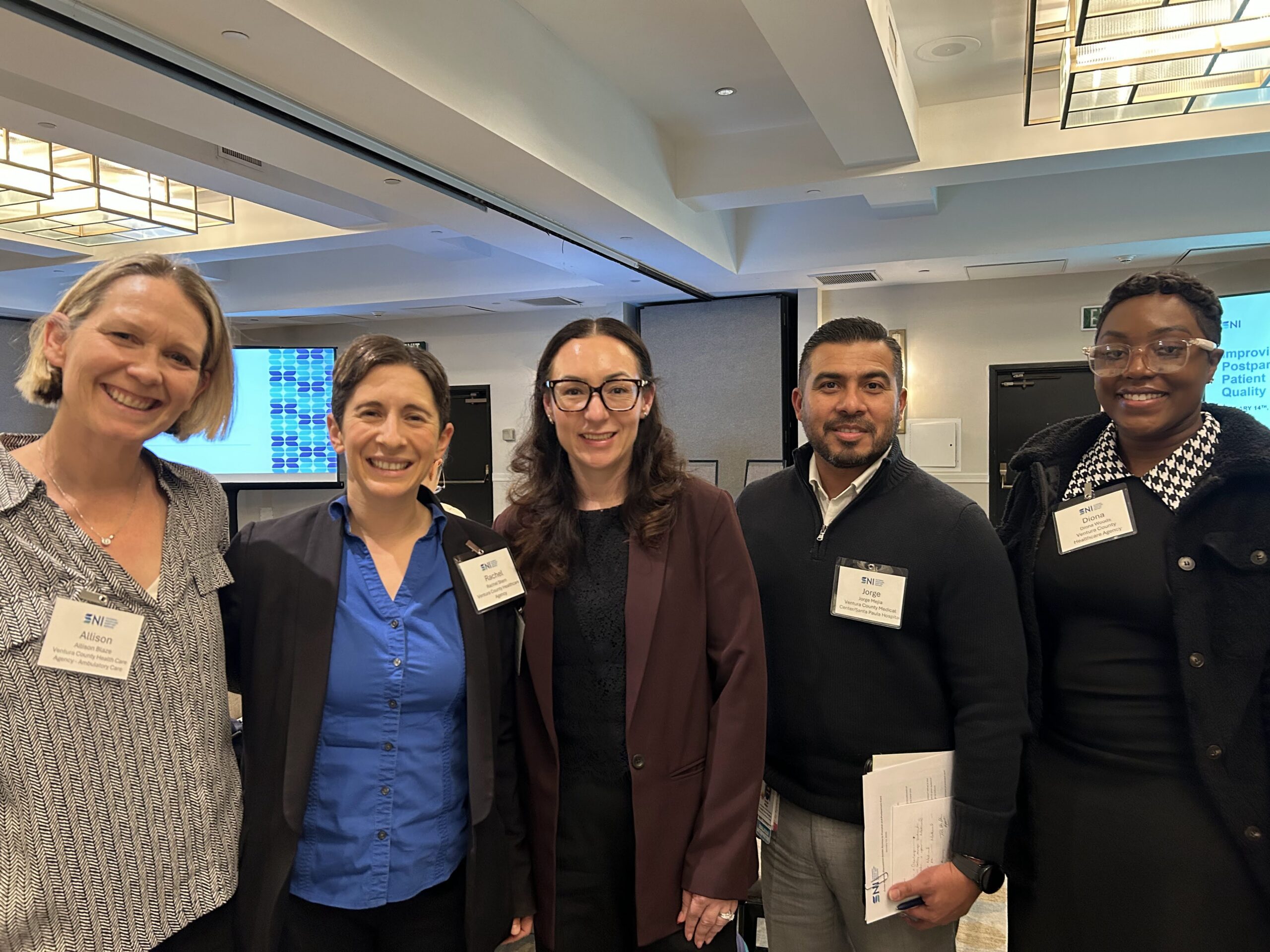
Driven to make prenatal, postpartum, and pediatric care more accessible and tailored for patients, public health care systems have been meeting as part of SNI’s Advancing Maternal and Child Health Quality Improvement Learning Series.
Launched last year, the series has included two events in the last several months, with more planned. A recap:
1. In Burbank, an engaged group of clinical, quality, and data system leaders gathered in person to hear from peers who have been reporting strong results. Presentations included:
-
- Ventura County Health Care Agency on preserving access to prenatal and postpartum care, including for immigrant pregnant individuals and children
-
- San Joaquin General Hospital on reducing disparities in low-risk cesarean birth rates
-
- San Francisco Department of Public Health on its perinatal equity toolkit
In addition to sharing strategies with each other, systems learned more about using the data and technical assistance provided by the California Maternal Quality Care Collaborative (CMQCC).
2. In a webinar, Caring Together: Models for Improving Child Health by Advancing Dyadic Care in Pediatrics, systems focused on treating parents and children together in a single visit. This approach recognizes that the healthy development of a child is strongly connected to the wellness of the parent.
UCSF Health shared how parents and caregivers are screened for depression and other risk factors during pediatric well-child visits while their child is evaluated and treated.
UCSF Health is also providing technical support for a dyadic care pilot in Santa Clara County, including implementation at Santa Clara Valley Healthcare (SCVH) clinics. Leaders from SCVH reported that participating clinics increased behavioral health visits for patients ages 0 to 5 from a baseline of 11 in 2023 to 2,945 in 2025.
What’s next
Upcoming topics in this SNI learning series include:
- Improving tailored maternity care for high-risk pregnant individuals with complex needs
- Creative approaches to addressing access and maternity care workforce challenges (community health workers, doula care, midwifery support)
Member system spotlight
During recent visits, two member systems shared with SNI how they are strengthening care for their communities.
- At Santa Clara Valley Healthcare, that work includes a major focus on preserving patient access. The county’s acquisition of Regional Medical Center restored critical trauma, stroke, and heart attack services in East San José. It builds on earlier county purchases of O’Connor Hospital, St. Louise Regional Hospital, and De Paul Health Center. With these acquisitions, SCVH is working to optimize and coordinate care and services across a larger system and network of providers while maintaining extremely high performance on QIP’s pediatric preventive care measures.
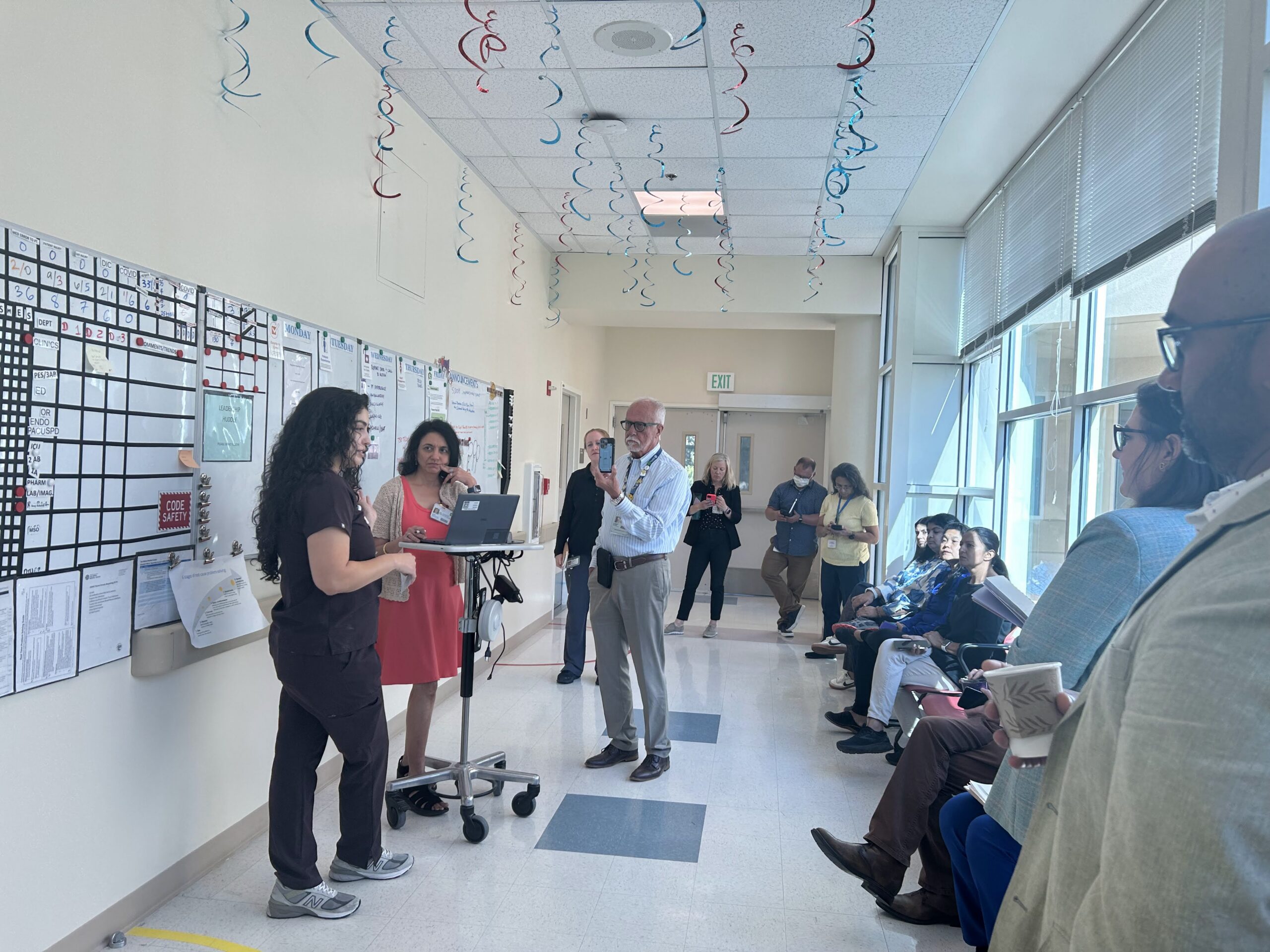
- At San Mateo Medical Center, staff are taking the county’s Lean management approach a level deeper. The system is using value stream work to look across broader care processes and identify root causes. This approach helps San Mateo to view the system from the perspective of the patient. The system’s Health Futures Lab also provides critical insights to improve health and wellness. Its current projects are focused on improving the ecosystem to support youth mental health and building trust within the community.
New focus: caring for more older adults
In California, roughly 1.7 million people are eligible for both Medicare and Medi-Cal (“dually eligible enrollees”). Many are older adults with low incomes, and this population is increasingly diverse.* Their numbers and care needs are growing rapidly. Many need help managing chronic conditions, moving between care settings, and staying supported at home.
Why California’s public health care systems are well positioned
Working with that kind of complexity is what public health care systems excel at. Many of the patients they serve require more than medical care alone because their health is shaped by pressures ranging from housing instability to structural racism.
Meeting those multifaceted needs means systems have long looked at the full picture of patients’ lives. They use that understanding to coordinate care and services across hospitals, clinics, and community-based organizations. And they know how to provide culturally responsive care that is essential for patients to stay well.
How the quality improvement muscle helps
Our member systems also have strong quality improvement capabilities they can use to serve more older adults. Over time, they have steadily built ways to find care gaps, test changes, and measure results for patients.
Systems are now applying that same improvement muscle, which has already proven effective, to better serve older adults.
Learning with peers
Based on organizational assessments completed by several member systems, SNI identified shared areas of interest for this year’s new older adult work. We have moved quickly, holding four learning sessions so far in 2026, with more to come. Topics include:
- Building Medicare and outpatient care capacity
- Strengthening clinical care teams and workflows around older adults’ needs (e.g., improving transitions after hospital stays)
- Aligning quality incentives across Medicare and Medi-Cal
- Exploring Medicare contracting strategies for serving dually eligible patients
Across this work, the SNI playbook for systems is peers. In recent sessions:
- Contra Costa Health and Ventura County Health Care Agency shared how they are allocating resources and partnering with their health plans to meet new contracting requirements for patients enrolled in Dual-Eligible Special Needs Plans (D-SNP).
- Santa Clara Valley Healthcare presented its approach to align quality improvement work across Medi-Cal and Medicare and focus on high-impact measures in both programs.
Systems are also increasing their knowledge through expert guidance, affinity groups, coaching, and resources as they adapt promising practices. We will share more about this evolving work later this year.
* Half of California residents age 60 or older will be people of color by 2030. More than half of California’s dually eligible enrollees age 65 and older were born outside the U.S.
Also from SNI
Catch up on recent SNI stories and insights.